Testing for Contaminants Understanding the Results of Your Water Test
Testing for Contaminants: Understanding the Results of Your Water Test
Introduction
Water testing is an essential process to ensure the safety and quality of your drinking water. Whether you use well water or city water, testing for contaminants is crucial to protect your health and the health of your loved ones. Once you receive the results of your water test, it's important to understand what they mean and how to interpret them correctly.
Common Contaminants
There are various contaminants that can be present in drinking water, including bacteria, lead, arsenic, nitrates, pesticides, and more. Each of these contaminants can have different health effects, ranging from mild gastrointestinal issues to severe neurological problems.
Interpreting the Results
When you receive the results of your water test, you will see a list of contaminants along with their levels in your water. It's essential to compare these levels to the EPA's standards for safe drinking water. If any contaminants exceed these standards, it's crucial to take action to address the issue promptly.
People Also Look For:
- TESPERT Water Testing Kits for Drinking Water 125 Strips - 16 in 1 Drinking Water Test Kit - Water Test Strips with Hardness, Lead...
- RUNBO 7 in 1 Hot Tub Test Strips, 150 Strips Water Testing for Spa and Swimming Pool, Accurate Test Bromine, Total Alkalinity, pH,...
- YINMIK Hydroponics EC Meter, Simultaneous pH Meter Tester with pH Pen Calibration Kits for Water, Continuously Monitor pH and TDS ...
- Smiling Shark LED Headlamp, 230°Wide Angle 3*White Light Strips The Brightest Head Lamp Rechargeable with Motion Sensor Waterpr...
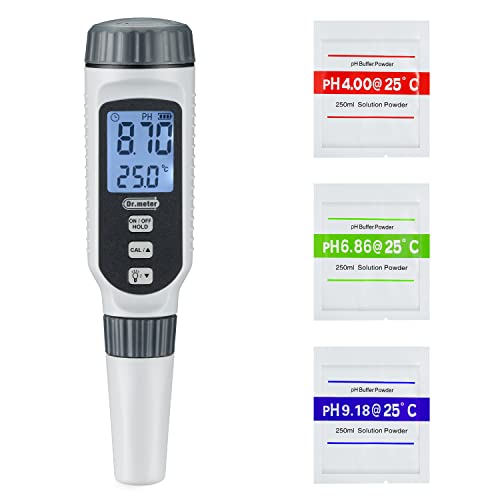
- Digital pH Meter, 0.00-14.00 Measurement Range Digital Water Quality Tester, 0.01pH High Accuracy pH Pen for Household Drinking Wa...
Understanding Safe Levels
The EPA sets Maximum Contaminant Levels (MCLs) for various contaminants in drinking water to ensure public health and safety. These levels are based on extensive research and are designed to protect even the most vulnerable populations, such as children and pregnant women. It's essential to compare your test results to these MCLs to determine if your water is safe to drink.
Addressing Contamination
If your water test results indicate the presence of contaminants above the EPA's MCLs, it's crucial to take immediate action to address the issue. Depending on the type and level of contamination, you may need to install a water filtration system, disinfect your well, or take other corrective measures to ensure your water is safe to drink.
Regular Testing
It's essential to test your water regularly to ensure that it remains safe for consumption. Contaminant levels can fluctuate over time, so it's crucial to monitor your water quality on an ongoing basis. By testing your water annually or as recommended by your local health department, you can catch any issues early and take action to address them promptly.
Conclusion
Understanding the results of your water test is crucial for protecting your health and the health of your loved ones. By comparing your test results to the EPA's standards, you can determine if your water is safe to drink and take action if needed. Regular testing and proper interpretation of results are key to ensuring that your drinking water remains clean and free of contaminants.